





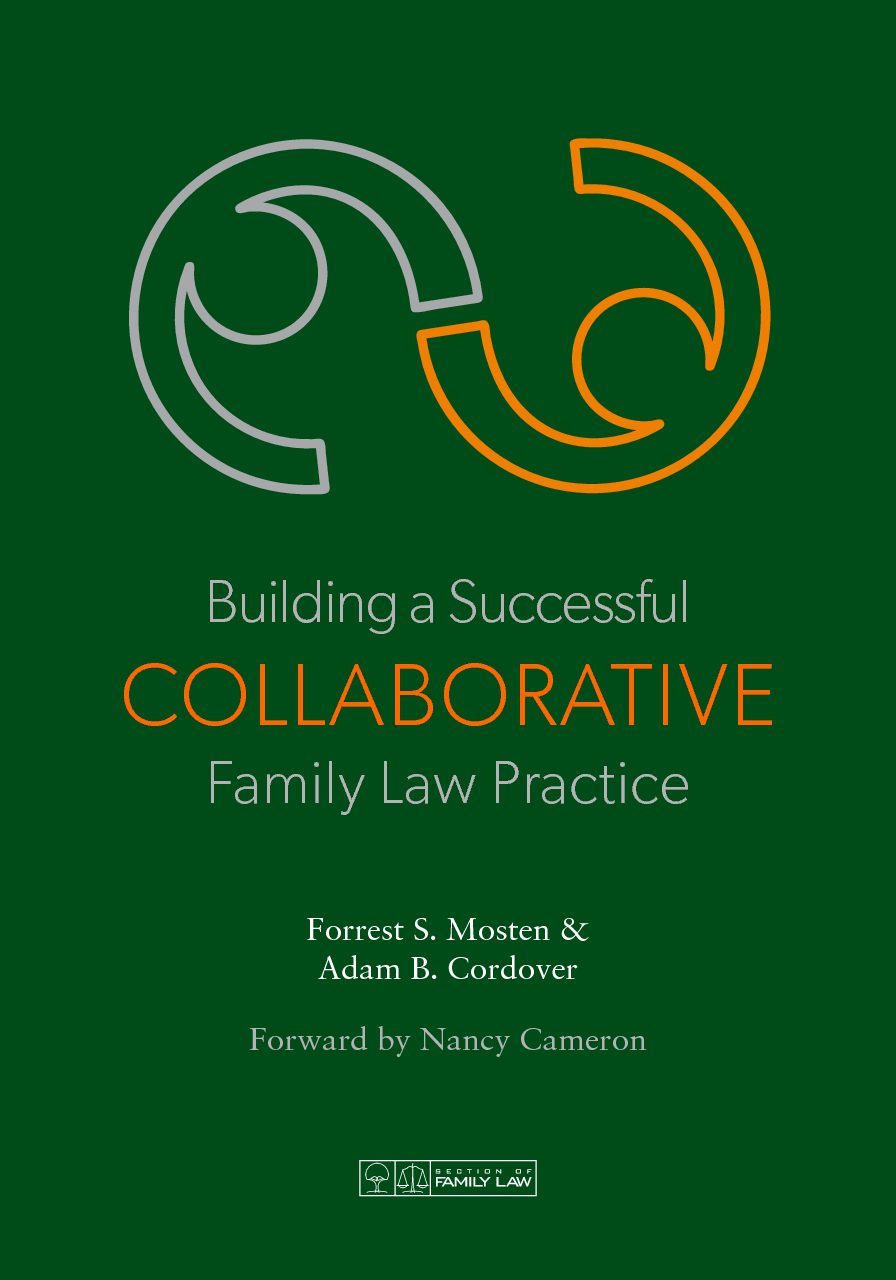
New Collaborative Law Book
This post has been viewed 2,842 times.
As you may know, collaborative practiceinvolves a “participation agreement” by parties to negotiate without engaging in contested litigation. The parties agree to provide all relevant information and practitioners try to use interest-based negotiation. If any party decides to litigate the matter, all the lawyers must withdraw from the case and are disqualified from representing the parties in litigation. The vast majority of collaborative cases are in family law matters. In 2009, the Uniform Law Commission adopted the Uniform Collaborative Law Act (UCLA), which has been enacted by 17 states and the District of Columbia. In 2011, I published An Empirical Analysis of Collaborative Practice, summarizing the empirical research that had been published to date.
Woody and Adam’s new book is intended for people who are doing collaborative practice or want to do so. It includes 22 chapters written by experienced collaborative practitioners about the nuts and bolts of doing collaborative practice and making a living at it.
Tags:


