





Rational Judges, Not Extraneous Factors in Decisions
This post has been viewed 3,560 times.
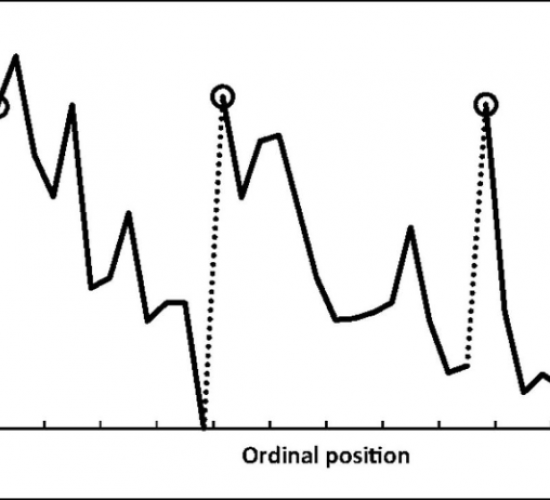
The graph tells a dramatic story of irrationality, presented in the 2011 paper Extraneous factors in judicial decisions. What it shows is the outcome of parole board decisions, as ruled by judges, against the order those decisions were made. The circles show the meal breaks taken by the judges.
As you can see, the decisions change the further the judge gets from his/her last meal, dramatically decreasing from around 65% chance of a favourable decision if you are the first case after a meal break, to close to 0% if you are the last case in a long series before a break.
This seeming evidence of the irrationality of judges has been cited hundreds of times, in economics, psychology and legal scholarship. Now, a new analysis by Andreas Glöckner in the journal Judgement and Decision Making questions these conclusions.
Glöckner’s analysis doesn’t prove that extraneous factors weren’t influencing the judges, but he shows how the same effect could be produced by entirely rational judges interacting with the protocols required by the legal system.
Read original articleTags:


