





Menu
Delaware
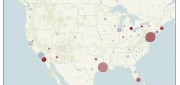
Patent Cases Rise, With Two Courts Leading the Nation
May 2, 2014
Over the last two years, filings of patent cases in federal courts have risen 12 percent to 6,401. While many districts show...
May 2, 2014
Over the last two years, filings of patent cases in federal courts have risen 12 percent to 6,401. While many districts show...
U.S. Supreme Court Asked to Review Delaware’s ‘Secret Trials’ Case
January 22, 2014
Delaware asked the U.S. Supreme Court on Tuesday to review a lower court decision that stopped the state's nationally important business court from overseeing private arbitrations, a process critics compared to secret trials. The U.S. Court of Appeals in Philadelphia upheld in October a ruling that found the five judges on Delaware's Court of Chancery had violated the U.S. Constitution by overseeing private arbitrations in their courtrooms. All court filings and even the existence of the cases...
January 22, 2014
Delaware asked the U.S. Supreme Court on Tuesday to review a lower court decision that stopped the state's nationally important business court from overseeing private arbitrations, a process critics compared to secret trials. The U.S. Court of Appeals in Philadelphia upheld in October a ruling that found the five judges on Delaware's Court of Chancery had violated the U.S. Constitution by overseeing private arbitrations in their courtrooms. All court filings and even the existence of the cases...
Jurisdictional Effects in M&A Litigation
January 21, 2014
We compile the most extensive hand-collected data set on all forms of M&A litigation in the United States to study the effects of lawsuit jurisdictions during a sample period (1999 and 2000) of the fifth merger wave, a period characterized by an abundance of friendly one-bidder deals and the near demise of the hostile offer. We find that only about 12 percent of all M&A offers are challenged in the courts during this period. Almost half the suits are filed in Delaware, while federal suits...
January 21, 2014
We compile the most extensive hand-collected data set on all forms of M&A litigation in the United States to study the effects of lawsuit jurisdictions during a sample period (1999 and 2000) of the fifth merger wave, a period characterized by an abundance of friendly one-bidder deals and the near demise of the hostile offer. We find that only about 12 percent of all M&A offers are challenged in the courts during this period. Almost half the suits are filed in Delaware, while federal suits...
Third Circuit Says Delaware Can’t Have Secret Arbitrations By Judges
November 18, 2013
The Third Circuit ruled last week that Delaware’s Chancery Court could not offer its judges’ services as neutral arbitrators in its courtrooms, unless those arbitrations were open to the public. In 2009, the Delaware courts decided to provide arbitration. The state amended its laws to create an arbitration process that was only open to disputes worth more than a million dollars with at least one party being a business incorporated in Delaware (and no party being a consumer). The parties...
November 18, 2013
The Third Circuit ruled last week that Delaware’s Chancery Court could not offer its judges’ services as neutral arbitrators in its courtrooms, unless those arbitrations were open to the public. In 2009, the Delaware courts decided to provide arbitration. The state amended its laws to create an arbitration process that was only open to disputes worth more than a million dollars with at least one party being a business incorporated in Delaware (and no party being a consumer). The parties...
Appeals Court Throws Out Confidential Arbitration in Delaware
October 24, 2013
A decision by a federal appeals court has ended Delaware’s experiment with confidential arbitration. In an opinion released Wednesday, a three-judge panel for the United States Court of Appeals for the Third Circuit upheld a lower court ruling that Delaware’s state-sponsored arbitration program violated the First Amendment. The controversial arbitration program was established by Delaware in 2009. Delaware is the leading state for incorporations by public companies, and the five judges...
October 24, 2013
A decision by a federal appeals court has ended Delaware’s experiment with confidential arbitration. In an opinion released Wednesday, a three-judge panel for the United States Court of Appeals for the Third Circuit upheld a lower court ruling that Delaware’s state-sponsored arbitration program violated the First Amendment. The controversial arbitration program was established by Delaware in 2009. Delaware is the leading state for incorporations by public companies, and the five judges...


