





Analytics in Law
This post has been viewed 3,496 times.
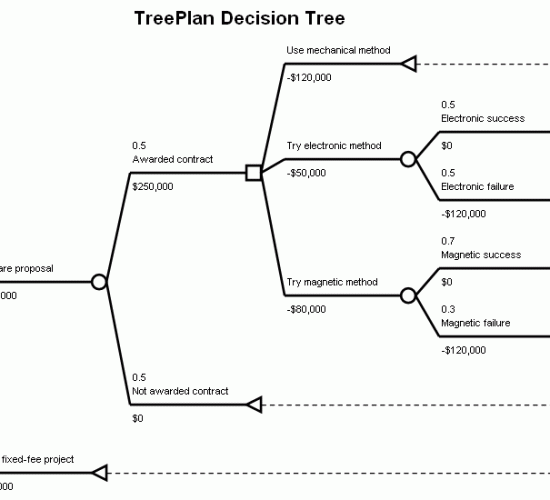
The concept of analyzing data in litigation is not new. Lawyers and legal researchers search for precedents that help strengthen the legal argument for the matter at hand. They ask colleagues and peers for experiential information about similar matters. And finally they rely on their own experience to complete the picture. However, with the advent of data analytics tools that have already analyzed and triaged precedents along different parameters, lawyers and researchers can now enhance this data driven decision making process. There are numerous benefits to using analytics in litigation, that complement incumbent processes.
Risk assessment
Lawyers are trained to assess risk during litigation and will often give clients an opinion with the “it depends” caveat. And this opinion may change throughout the course of the litigation as new information becomes available. Analytics tools can assist by providing data to reinforce a legal opinion over a period of time. This would be all the way from evaluating the merits of a case before taking on a client to deciding between settling and going to trial at the end of a matter.
Read original articleTags:


