





Must Your Dispute Be Arbitrated? You May Be Entitled to Discovery to Find Out
This post has been viewed 2,975 times.
In a proceeding under the Federal Arbitration Act (“FAA”) to determine if a dispute must be arbitrated, a federal district court performs a more limited function than in a plenary civil action. On an application to stay an action allegedly referable to arbitration, the court decides only if “the issue involved in such suit or proceeding is referable to arbitration under [a written arbitration] agreement.” 9 U.S.C. § 3. On a petition to compel arbitration, the court decides only whether “[1] the making of the agreement for arbitration or [2] the failure to comply therewith” are in issue. 9 U.S.C. § 4. If the court is satisfied that the two matters are not in issue, it must direct the parties to arbitrate in accordance with the agreement. But if either matter is in issue, the court must proceed summarily to trial. Id.
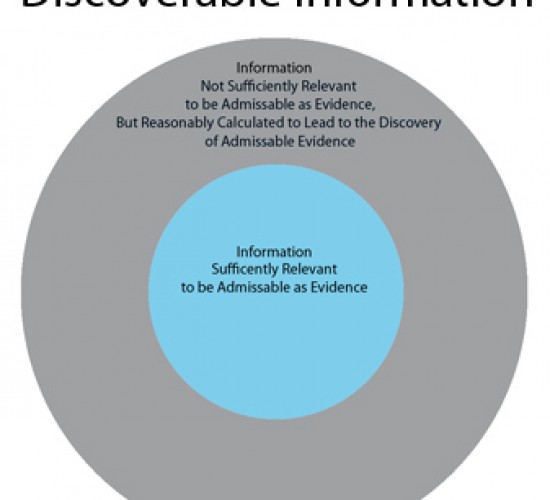
Though the court’s role in such proceedings is limited, it nonetheless must resolve factual issues. The adjudication of such factual issues may require discovery. The FAA does not mention discovery to determine the arbitrability of a dispute, but by requiring a court to resolve the factual issues on which arbitrability depends – including, if necessary, to conduct a trial – the FAA implicitly permits discovery in appropriate circumstances.
Read original articleTags:


