





Jury Selection in Personal Injury Cases
This post has been viewed 2,711 times.
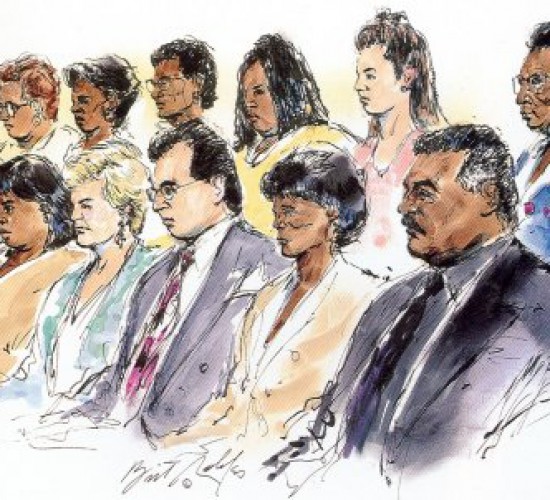
Jury selection is an important part of the judicial process, intended to be fair to the participants. A jury that includes people who have a “bias or prejudice” for or against one of the parties or issues can impact the outcome. If that person is a leader, he or she can have a very significant impact, perhaps even outcome determinative. Lawyers cannot select the people most favorable to their case, but they have a procedural opportunity to have a jury that does not include people who are unfavorable because of a bias or prejudice against a client or issues. Unfortunately, many lawyers are not very good at jury selection, and some judges believe that jury selection is not important. One symptom of the problem is the severe time restrictions some judges impose. This means that attorneys must be efficient with the time they are permitted. Of course, lawyers should never speak more than the panel. Attorneys should spend time learning about the backgrounds, experiences, and beliefs of potential jurors so that they can intelligently exercise their challenges for cause and peremptory strikes. In order for this process to work, lawyers need to be proficient and should plan adequate time to obtain relevant information from the potential jurors.
Lawyers and judges should have the same goal: to select the best jury for the particular case by eliminating jurors who may not be willing or able to fairly consider the evidence and decide the case. However, judges sometimes try to avoid “busting a panel”—even if it is the result of striking jurors who should be struck. Judges sometimes develop a hostile attitude toward jury selection. One contributing factor is the judges’ observations that lawyers talk too much (not to mention argue their case too much), waste time, and do not effectively obtain relevant or useful information.
While there is significant overlap between jury selection in personal injury cases and commercial cases, some important considerations must be examined, especially with attorneys trying to fit more conversation into shorter time limits than ever. After reading this article, we hope there are five things you will remember:
- Effective jury selection is essential to fair and just verdicts.
- Effective jury selection requires substantial time in practice and preparation.
- Ineffective jury selection may cause harm.
- Don’t forget about the importance of identifying potential leaders.
- Jury selection is essential to obtaining the information necessary for use of peremptory strikes, not just for-cause challenges.
Tags:


