





The Cost of Cooperating
This post has been viewed 3,709 times.
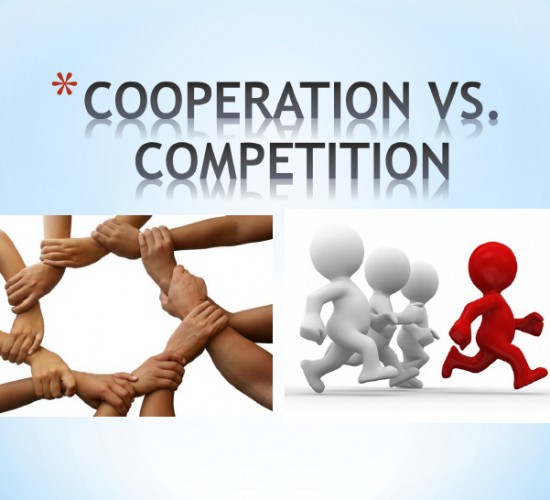
Strategic incentives can motivate people to cooperate, but people also keep cooperating even when there are not incentives to do so, at least to some extent. What motivates people to do that? The way behavioral economists and psychologists talk about that is at a proximate psychological level—saying things like, “Well, it feels good to cooperate with other people. You care about others and that’s why you’re willing to pay costs to help them. You have social preferences.”
I believe that. That is clearly true, just from personal introspection, as well as interaction with other people. But I’m interested in a slightly different question, which is where those social preferences come from. Why is it that we care about other people? Why do we have those feelings? Also, at a cognitive level, how is that implemented? Another way of asking this is: Are we predisposed to be selfish? Do we only get ourselves to be cooperative and work for the greater good by exerting self-control and rational deliberation, overriding those selfish impulses? Or are we predisposed towards cooperating, but in these situations where cooperation doesn’t actually pay, if we stop and think about it, rationality and deliberation lead us to be selfish by overriding the impulse to be a good person and help other people?
Most people, both in the scientific world and among laypeople, are of the former opinion, which is that we are by default selfish—we have to use rational deliberation to make ourselves do the right thing. I try to think about this question from a theoretical principle position and say, what should it be? From a perspective of either evolution or strategic reasoning, which of these two stories makes more sense, and should we expect to observe?
Read original articleTags:


