





AI Making a Difference in Cancer Care – 60 Minutes Tonight
This post has been viewed 2,736 times.
The artificial intelligence we see in daily life is just a fraction of its vast potential. Already it’s making strides in cancer care
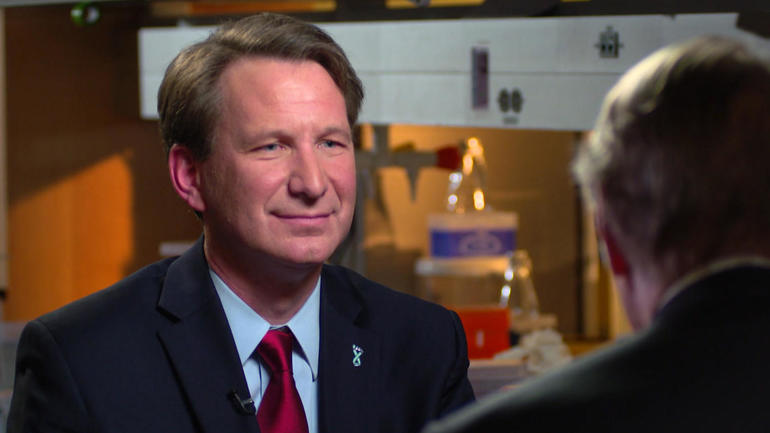
Watson, the IBM technology, is doing much more now than beating humans on TV’s “Jeopardy!” Five years after that, the A.I. technology has the ability to learn and analyze mountains of data. It is now becoming a crucial tool for doctors. Scientific research grows at a rate of some 8,000 academic papers a day – far too much for doctors to keep up with. In an analysis of more than 1,000 cancer patients, Watson found the same treatments available that doctors had recommended 99 percent of the time. But Watson did better than the doctors in other ways, says Dr. Ned Sharpless.
Although still in its infancy, the science of AI has made more progress in the past five years than in the previous 50. The technology is also being used in other ways – including in robots. Rose interviewed a life-like robot named Sofia – a moment that will be featured in his story Sunday night.
A.I. is already enhancing military technology, education and medicine, but we are only seeing a small fraction of what it may potentially mean for civilization. Says John Kelly, head of IBM’s A.I. business unit and research labs, “So fast forward from [Jeopardy!], five years later, we’re in cancer now,” he tells Rose. “It’s only at a few percent of its potential. I think this is a multi-decade journey that we’re on and we’re only a few years into it.”
Read original articleTags:


