





Can “Actual Bias” Approach to “Evident Partiality” Discourage Post-Award Litigation?
This post has been viewed 23,763 times.
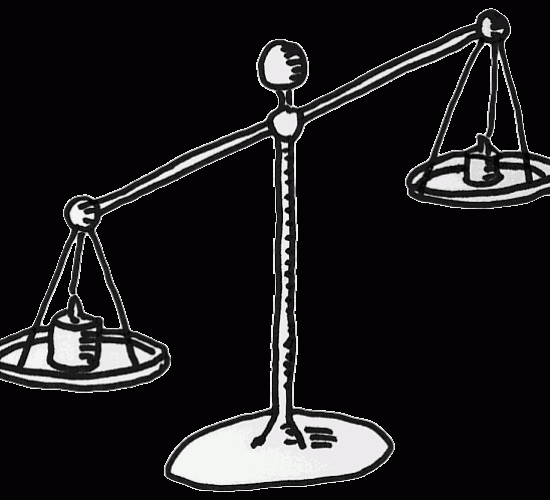
It has been nearly 45 years since the Supreme Court of the United States decided theCommonwealth Coatings case (Commonwealth Coatings Corp. v. Continental Casualty Co., 393 U.S. 145 (1968)) and addressed for the only time in its history the meaning of the term “evident partiality,” which appears in Chapter One of the FAA as a ground for setting aside an Award. No single opinion or rationale commanded a majority of the Justices in that case, and the legacy of the case has been generally associated with the concurring opinion of Justice White, who was able to support the affirmance of the judgment on the basis that the record supported a finding of actual bias while he rejected the notion, articulated in the plurality opinion authored by Justice Hugo Black, that arbitrators should be held to the same ethical standards as judges and therefore their awards should be exposed to vacatur if the record supports merely an appearance of possible bias.
Earlier this month the US Court of Appeals for the Third Circuit had occasion to visit theCommonwealth Coatings opinions in an appeal involving allegations of bias baed on the sole arbitrator’s failure to have disclosed election campaign contributions received from the parent company of the victorious Respondent. But in this case there had also been campaign contributions to the arbitrator (who ran for election to the Supreme Court of Pennsylvania) in a much larger amount from the law firm that represented the disappointed claimant-appellant. And the contributions were all reported publicly on a Website maintained by the State. The Third Circuit, adhering to the “actual bias” view of “evident partiality,” found no merit in the position that the award should be vacated. (Freeman v. Pittsburgh Glass Works LLC, 2013 WL 811884 (3d Cir. Mar. 6, 2013)).
Read original articleTags: Commonwealth Coatings Corp., Continental Casualty Co., Evident Partiality, Justice Hugo Black, Justice White


