





9th Circuit Approves Class Action In Arbitration
This post has been viewed 3,329 times.
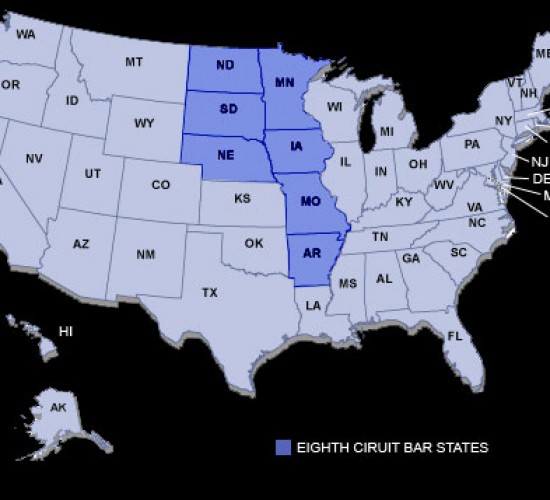
Class action arbitration continues to be a hot topic among the federal appellate courts this summer.
The 8th Circuit followed the lead of other circuit courts, finding that courts, not arbitrators, presumptively decide whether the parties’ arbitration agreement allows for class arbitration. Catamaran Corporation v. Towncrest Pharmacy, 2017 WL 3197622 (July 28, 2017). In support of its decision, the court raised concerns about class arbitration, including loss of confidentiality, due process concerns for absent parties, and a concern about the lack of appellate review. [Interesting that it didn’t cite any of CFPB’s report on this, but just cited other case law… ] Therefore, unless the parties have “clearly and unmistakably delegated” the class arbitration issue to the arbitrator, a court will decide the issue. Furthermore, the court said that incorporating the AAA rules is not a clear and unmistakable delegation of the class arbitration decision, even though citing the AAA rules is sufficiently clear in analogous issues in regular “bilateral arbitration.” The court remanded to the district court to determine whether there was a contractual basis for class arbitration.
Read original articleTags:


