





Proportionality Limits Scope of Permissible E-Discovery
This post has been viewed 3,217 times.
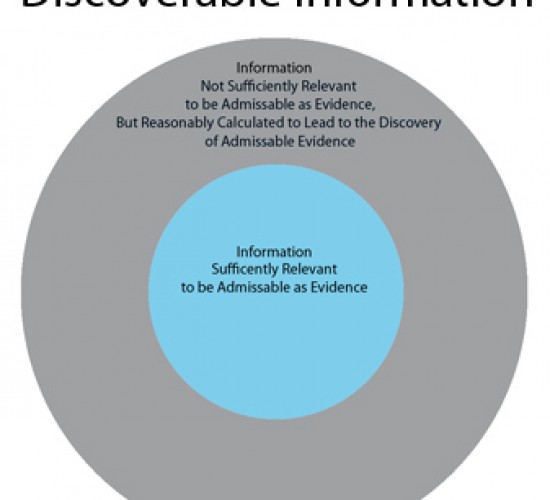
A federal magistrate judge has denied a motion to compel e-discovery, finding a lack of proportionality between the costs of production and the benefits to be gained. The court noted that searching for electronically stored information (ESI) is only one discovery tool and should not be a substitute for traditional discovery methods.
In United States v. Univ. Nebraska at Kearney, the government brought a complaint against the University of Nebraska alleging that the university had violated the Fair Housing Act by denying students’ requests to live with emotional assistance service animals in university housing. As part of discovery, the government served a list of proposed terms to be used to search the university’s ESI. Those terms were tailored to discriminatory intent in general and were not limited to discrimination in the context of housing. The university objected, noting that a vendor-created frequency list for those terms showed that the results of the search would cost more than $1,000,000 to retrieve, review and produce.
The government revised the search parameters, but the university continued to object, noting that the revised search terms were not limited to accommodations in a housing or residential context and required the university to search for and produce ESI for every person with a disability who sought any kind of accommodation from the university.
Read original articleTags:


