





Menu
Negotiation
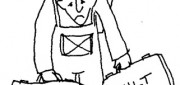
How Lawyers Can Turn Fear Into An Ally
November 11, 2015
Experiencing anxiety before going to trial is not uncommon. The challenge for many lawyers is taking that nervous energy...
November 11, 2015
Experiencing anxiety before going to trial is not uncommon. The challenge for many lawyers is taking that nervous energy...
Types of Power in Negotiation
November 9, 2015
Your negotiating power depends on both objective and subjective factors Social psychologists have described different types of power that exist in society, and negotiators can leverage these types of power in negotiation as well. Two types of power spring from objective features of the bargaining process. First, power is often defined as a lack of dependence on others. This kind of power in negotiation corresponds to one’s BATNA, or best alternative to a negotiated agreement. When an individual...
November 9, 2015
Your negotiating power depends on both objective and subjective factors Social psychologists have described different types of power that exist in society, and negotiators can leverage these types of power in negotiation as well. Two types of power spring from objective features of the bargaining process. First, power is often defined as a lack of dependence on others. This kind of power in negotiation corresponds to one’s BATNA, or best alternative to a negotiated agreement. When an individual...

Managing Conflict 4.0: The New Wave of Opportunities for Businesses Around the Globe
November 8, 2015
Straus Institute for Dispute Resolution and the Dispute Resolution Law Journal present a two-day conference dealing with...
November 8, 2015
Straus Institute for Dispute Resolution and the Dispute Resolution Law Journal present a two-day conference dealing with...
Anger Works, But Not In Competitive Negotiations
November 3, 2015
The Rationality of Rage. NEW YORK TIMES. Expressing anger is known to be a useful tool in negotiations. Indeed, in the past few years, researchers have been learning more about when and how to deploy anger productively. Consider a forthcoming paper in the November issue of the Journal of Experimental Social Psychology. Researchers tested the effectiveness of expressing anger in three types of negotiations: those that are chiefly cooperative (starting a business with a partner), chiefly competitive...
November 3, 2015
The Rationality of Rage. NEW YORK TIMES. Expressing anger is known to be a useful tool in negotiations. Indeed, in the past few years, researchers have been learning more about when and how to deploy anger productively. Consider a forthcoming paper in the November issue of the Journal of Experimental Social Psychology. Researchers tested the effectiveness of expressing anger in three types of negotiations: those that are chiefly cooperative (starting a business with a partner), chiefly competitive...
Why You Should Hold It
October 29, 2015
When Prime Minister David Cameron is giving an important speech, or in the midst of difficult negotiations, he relies on a simple mental trick known as the full bladder technique. The name is not a metaphor. Cameron drinks lots of liquid and then deliberately refrains from urinating, so that he is “desperate for a pee.” The Prime Minister believes that such desperation comes with benefits, including enhanced clarity and improved focus. * * * That’s exactly what happened. When people had to pee,...
October 29, 2015
When Prime Minister David Cameron is giving an important speech, or in the midst of difficult negotiations, he relies on a simple mental trick known as the full bladder technique. The name is not a metaphor. Cameron drinks lots of liquid and then deliberately refrains from urinating, so that he is “desperate for a pee.” The Prime Minister believes that such desperation comes with benefits, including enhanced clarity and improved focus. * * * That’s exactly what happened. When people had to pee,...
Taking Advantage of Opportunities in ‘Litigotiation’
October 28, 2015
When discussing negotiation of litigated cases, practitioners and academics often ignore pretrial litigation activities, treating them as if they are unrelated to the negotiation of the ultimate issues. Interactions leading up to the final settlement event often are considered merely preparation for the endgame, if they are considered at all. This narrow conception of negotiation in litigated cases misses critical parts of the dispute resolution process and thus leads to misconceptions about how it really...
October 28, 2015
When discussing negotiation of litigated cases, practitioners and academics often ignore pretrial litigation activities, treating them as if they are unrelated to the negotiation of the ultimate issues. Interactions leading up to the final settlement event often are considered merely preparation for the endgame, if they are considered at all. This narrow conception of negotiation in litigated cases misses critical parts of the dispute resolution process and thus leads to misconceptions about how it really...
Neurotic People Have A Surprising Mental Advantage
October 21, 2015
Over-thinking worriers enjoy this unexpected psychological advantage. High levels of creativity may go hand-in-hand with neuroticism, a new study finds. It’s because the area of the brain which is linked to creativity also has the tendency to over-think things and worry. Neuroticism is characterised by negative thinking in a range of areas (take the neuroticism test here). For a long time neurotic people were thought to have a heightened perception to threat.
October 21, 2015
Over-thinking worriers enjoy this unexpected psychological advantage. High levels of creativity may go hand-in-hand with neuroticism, a new study finds. It’s because the area of the brain which is linked to creativity also has the tendency to over-think things and worry. Neuroticism is characterised by negative thinking in a range of areas (take the neuroticism test here). For a long time neurotic people were thought to have a heightened perception to threat.
The Upside of Anger
October 21, 2015
In most disputes, when people get angry- it is a bad sign! It usually means that the dispute will NOT get resolved, and that one or the other party will leave in a huff. Indeed, neuroscience teaches us that when the emotional side of our brain (right brain) is operating in full force, there is absolutely no way that we can think deliberately or rationally (?). Our left brain is being overpowered by right brain. So, does this mean that anger and resolving disputes simply do not mix? Not necessarily!...
October 21, 2015
In most disputes, when people get angry- it is a bad sign! It usually means that the dispute will NOT get resolved, and that one or the other party will leave in a huff. Indeed, neuroscience teaches us that when the emotional side of our brain (right brain) is operating in full force, there is absolutely no way that we can think deliberately or rationally (?). Our left brain is being overpowered by right brain. So, does this mean that anger and resolving disputes simply do not mix? Not necessarily!...
When to Make the First Offer in Negotiation
October 19, 2015
In dealmaking, a certain question often looms large: Should you or shouldn’t you make the first offer? Traditionally, negotiation experts advised us to sit tight and wait for the other side to float the first number. This advice is grounded in the fact that the other party’s offer may shed light on his goals and alternatives and better equip you to meet them. Yet more recent negotiation research on the anchoring effect has added nuance to the conventional wisdom about when to make the first...
October 19, 2015
In dealmaking, a certain question often looms large: Should you or shouldn’t you make the first offer? Traditionally, negotiation experts advised us to sit tight and wait for the other side to float the first number. This advice is grounded in the fact that the other party’s offer may shed light on his goals and alternatives and better equip you to meet them. Yet more recent negotiation research on the anchoring effect has added nuance to the conventional wisdom about when to make the first...
Managing Conflict 4.0: The New Wave of Opportunities for Businesses Around the Globe
October 13, 2015
Straus Institute for Dispute Resolution and the Dispute Resolution Law Journal present a two-day conference dealing with...
October 13, 2015
Straus Institute for Dispute Resolution and the Dispute Resolution Law Journal present a two-day conference dealing with...


