





Menu
12 Steps to an Effective Mock Trial
By Lex Brainerd, JAMS ADR Blog, September 11, 2015
This post has been viewed 2,396 times.
This post has been viewed 2,396 times.
- Take appropriate steps to ensure that the mock trial itself and all communications, documents, and other materials relating to it are confidential and protected from discovery under the attorney-client privilege and the work product doctrine.
- Be creative and keep an open mind.
- Be sure your opponent’s side is well represented.
- Consider having your lead lawyer put on the opponent’s case.
- Prepare for the mock exercise with the same intensity and thoroughness as you would for the actual trial or arbitration.
- Don’t be concerned with winning, but rather with learning.
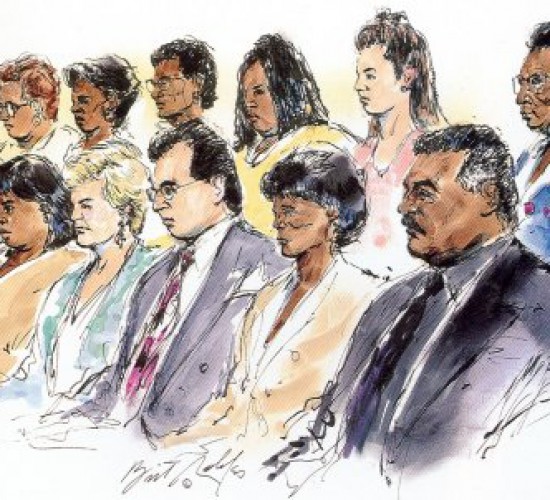
- Select a mock panel that is representative of your trier of fact.
- Test your organization, trial themes and strategy.
- Test all critical elements of your presentation, including briefs, graphics, opening statements and closing arguments.
- Have your critical and troublesome witnesses testify, either live (preferable) or through deposition.
- Include a procedure and sufficient time for a complete debriefing and analysis.
- Based upon what you learn, don’t be reluctant to dramatically alter some or all of the organization and presentation of your case.
Tags:


