Menu
Law Schools
Legal Education on Trial: Is the Third Year Necessary?
August 31, 2013
A suggestion by President Barack Obama to shrink the duration of law school could buoy the case of people who long have questioned whether law students really need a third year of academic study. But the idea comes as law schools already are struggling with declining enrollment and could be reluctant to cut into their sources of revenue. Third-year law students would 'be better off clerking or practicing in a firm,' President Barack Obama says. The main path to law practice...
August 31, 2013
A suggestion by President Barack Obama to shrink the duration of law school could buoy the case of people who long have questioned whether law students really need a third year of academic study. But the idea comes as law schools already are struggling with declining enrollment and could be reluctant to cut into their sources of revenue. Third-year law students would 'be better off clerking or practicing in a firm,' President Barack Obama says. The main path to law practice...
Dean Nancy B. Rapoport on Legal Education Reform
July 4, 2013
Rethinking U.S. Legal Education: No More 'Same Old, Same Old'. Abstract: "In this Essay, I suggest that we should think about how to create a curriculum that encourages students to develop a variety of skill sets. Law students simply don’t need three years of Socratic questioning regarding the fine details of court opinions. They need a wide range of experiences, preferably building on skill sets (like the twenty-six Berkeley factors) that effective lawyers have developed. A law school’s curriculum...
July 4, 2013
Rethinking U.S. Legal Education: No More 'Same Old, Same Old'. Abstract: "In this Essay, I suggest that we should think about how to create a curriculum that encourages students to develop a variety of skill sets. Law students simply don’t need three years of Socratic questioning regarding the fine details of court opinions. They need a wide range of experiences, preferably building on skill sets (like the twenty-six Berkeley factors) that effective lawyers have developed. A law school’s curriculum...
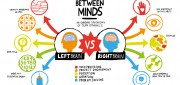
Are Law Schools Neglecting Half of the Brain?
June 16, 2013
The notion that law schools should teach more practical skills and hands-on training is in vogue these days. But Paula...
June 16, 2013
The notion that law schools should teach more practical skills and hands-on training is in vogue these days. But Paula...
More Law Schools are Teaching Business Skills
June 9, 2013
It was only two years ago that Harvard Law School began offering the first-of-its kind "business skills boot camp" for associates working for Milbank in NYC. And Michigan State recently announced plans to begin teaching law students how to be more entrepreneurial. Today, several more law schools have either launched or have in the planning stages programs to teach students and lawyers alike how to think like a businessperson. The National Law Journal has the story as part of its special...
June 9, 2013
It was only two years ago that Harvard Law School began offering the first-of-its kind "business skills boot camp" for associates working for Milbank in NYC. And Michigan State recently announced plans to begin teaching law students how to be more entrepreneurial. Today, several more law schools have either launched or have in the planning stages programs to teach students and lawyers alike how to think like a businessperson. The National Law Journal has the story as part of its special...
Suffolk Law Kicks Off New Technology Institute with Susskind
April 16, 2013
In case you haven’t noticed, technology isirrevocably changing the practice of law. Unfortunately, law schools have not done a good job of keeping up with that trend. Last August, the ABA made it official that lawyers have a duty to maintain competence in technology. Even so, few law schools have made technology part of their curricula. Kudos, therefore, to Suffolk University Law School in Boston, which has launched theInstitute on Law Practice Technology & Innovation. Here is how it describes...
April 16, 2013
In case you haven’t noticed, technology isirrevocably changing the practice of law. Unfortunately, law schools have not done a good job of keeping up with that trend. Last August, the ABA made it official that lawyers have a duty to maintain competence in technology. Even so, few law schools have made technology part of their curricula. Kudos, therefore, to Suffolk University Law School in Boston, which has launched theInstitute on Law Practice Technology & Innovation. Here is how it describes...
Penn Is Big Law’s Favorite School; Howard Is the Top Underdog
March 18, 2013
Weren't the Oscars just a royal bore? Much more exciting is The National Law Journal'snewly released go-to list—the much anticipated compilation of law schools most favored by the firms of the NLJ 250. First, a quick overview of the market from theNLJ's Karen Sloan: Most law schools sent slightly larger percentages of their 2012 classes into first-year associate jobs at these firms than they did in 2011. Among the 50 schools most popular with hiring firms, 25 percent of graduates landed...
March 18, 2013
Weren't the Oscars just a royal bore? Much more exciting is The National Law Journal'snewly released go-to list—the much anticipated compilation of law schools most favored by the firms of the NLJ 250. First, a quick overview of the market from theNLJ's Karen Sloan: Most law schools sent slightly larger percentages of their 2012 classes into first-year associate jobs at these firms than they did in 2011. Among the 50 schools most popular with hiring firms, 25 percent of graduates landed...
ABA Journal: Fiscal Calamity Ahead for Some Law Schools? Applicants for 2013 Drop 22% in ‘Free Fall’
December 24, 2012
ABA Journal: Fiscal Calamity Ahead for Some Law Schools? Applicants for 2013 Drop 22% in ‘Free Fall’ http://goo.gl/bewD4
December 24, 2012
ABA Journal: Fiscal Calamity Ahead for Some Law Schools? Applicants for 2013 Drop 22% in ‘Free Fall’ http://goo.gl/bewD4