Emotional Intelligence: Does Technology Hurt or Help?
This post has been viewed 2,584 times.
Emotional intelligence is the ability to determine the emotional state that others, and ourselves, are in and change that state. If you’re involved in a negotiation or mediation, understanding and shaping the other party’s emotions could be very important in resolving differences.
Different emotions require different approaches. Someone in a good mood may be very open to negotiation while someone who’s angry may need to vent to purge that emotion out in order to be in a more cooperative frame of mind. If the emotions among the parties are strong enough the best thing to do may be postponing the negotiation or offer until the parties are emotionally in a better, more open, mood.
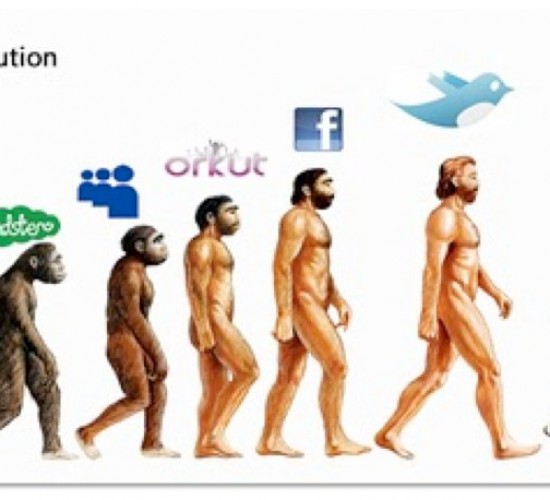
Humans were probably much better at reading one another’s emotions when most of our communications was done face to face. We had so much more practice before we communicated through writing, telegraph, telephone, up to today’s instant messaging and text messages. One UCLA study found that children with more “screen time” with electronic devices had a harder time reading the emotions of others.
Read original articleTags: